

March 11, 2024
Communication Skills: Becoming a Great Engineer
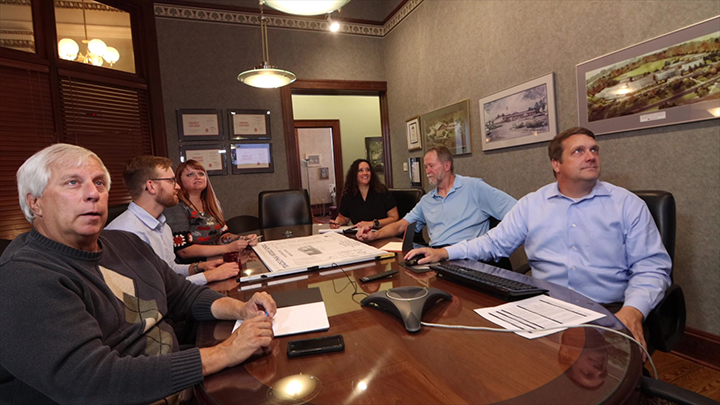
Scott Kain, our Engineering Production Manager who has been with McKinley since 2001, shares his thoughts on Communication:
What is the difference between a good and a great engineer? This question may sound like a set-up for a punchline, but it’s actually something we’ve recently been discussing in the McKinley offices. To work in the MEP industry, an engineer must have a strong STEM background as well as proficiency in their particular field – but to stand out among all the other good engineers, in order to be a great one, one requires heightened communication skills.
Communication falls under the category of “soft skills,” which are those hard-to-quantify personal attributes that generally aren’t taught in a classroom, such as flexibility, teamwork, empathy, patience and motivation. As engineers, we pride ourselves on our “hard-skills”-math, science, 3D modeling, systems design – but it’s those soft skills that are equally important to being regarded as a great engineer.
Architects, owner executives, contractors, operation staff and the owner’s project managers all speak a different language when it comes to their wants and needs. This means we must frame our message to be relevant to our specific audience, providing the correct level and quality of technical information needed for them to make a decision. It’s key to remember that what was important to us in developing our solutions may not be as important to the audience we’re presenting them to.
A mentor of mine once told me, “The project budget is not a set of numbers for the owner to evaluate. It’s a story that we must tell to our clients. If it makes sense to the owner, and they understand what, why and how, then they will proceed.”
So, how do we create a story for our clients? First, we must understand the purpose of the presentation. What are those you are meeting with trying to accomplish? Who must make a decision? How will they accomplish what needs to be done? The answers to these questions will provide the foundation for the story.
Next, every good story has or needs a hero, and this hero should be the client or the one who has to make the decision. The data provided in meetings, the analysis presented in reports and the associated recommendations are the value engineers can bring to the story. We need to be flexible with how we tell the story, recognize and respond to the audience’s reactions, and remember that the story is for their benefit.
Finally, many engineers are nervous when presenting in a project meeting or to a group of clients. It is best to be prepared; know your material better than anyone in the room and practice your delivery. Don’t memorize what you’re going to say, understand the information you are presenting and know how the story needs to be told.
At McKinley Architects & Engineers, we know that even the best engineering solution will remain on the drawing board forever if it can’t be effectively presented to a client. While facts and figures are essential to presentation, how the story is told is what will take you from “good” to “great” in your career.