March 27, 2025
Value of an Aligned Design Partner: Lessons Learned from Being Our Own Client
McKinley Architecture and Engineering, in our fifth decade of service to clients after overseeing billions of dollars of construction for clients, continues to learn from our experiences and evolve. We’re constantly in pursuit of excellence in our care for clients and their projects.
In recent years, we’ve been our own client for three of our six offices. These extraordinary experiences were very interesting and constructive, reinforcing to our employees the value of our processes and prepared us to be even more client-focused designing and overseeing the construction of offices.
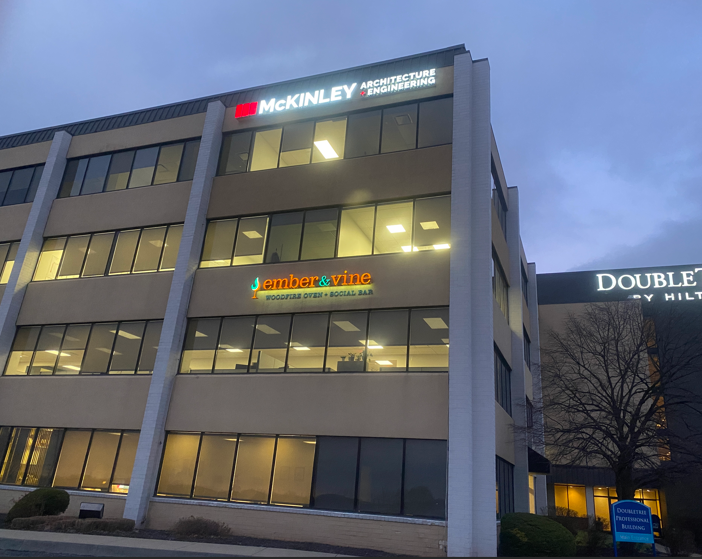
With nearly 100 employees throughout the region, located in six offices (four in West Virginia and two in Pennsylvania) it was very important for us to have attractive, modern, and comfortable office space for our teams.
In an environment where employees have choices about working in an office, remotely, or in a hybrid environment, we’ve created environments in which our people want to work from our offices. We think it’s in their interest for professional development, teamwork, and culture throughout the firm.
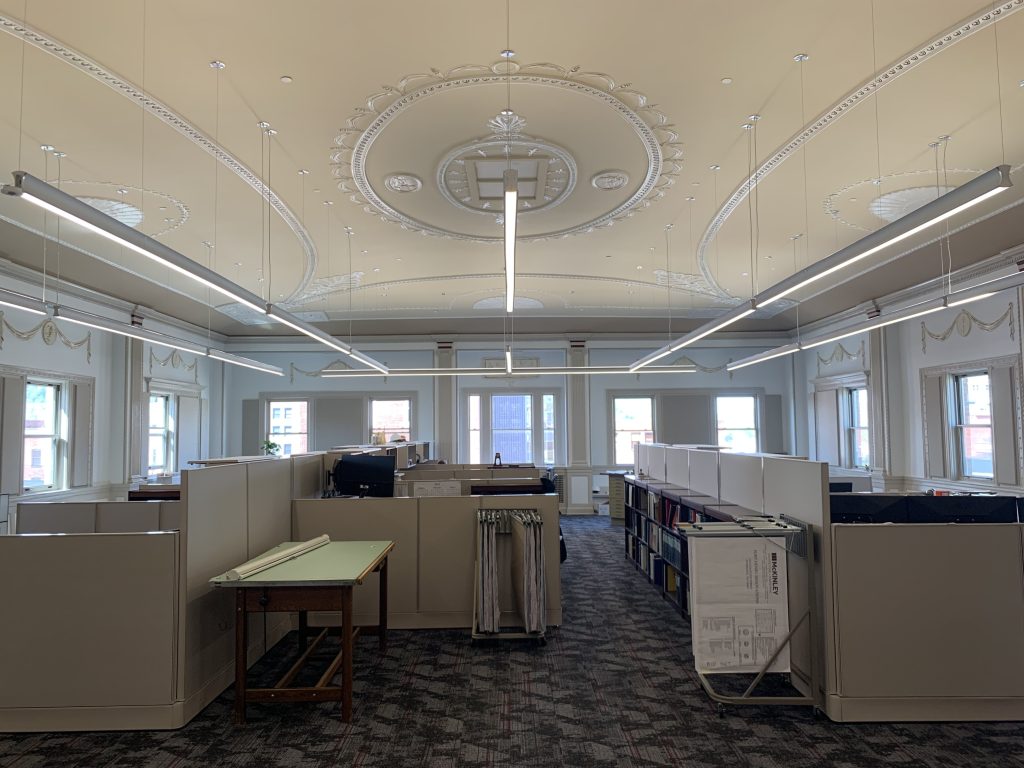
But how did we achieve this outcome? Through this article, we’ll share some of the lessons learned in our process, stemmed from getting started all the way through to construction.
Getting started, we were thoughtful about where we wanted to have offices, the amount of space we need today and, in the years to come, a reasonable budget for acquisition and improvements, cost of operations, and how long it would take to prepare the space for our occupancy.
In the design process, we learned the importance of having a strong understanding of the client current and long-term needs and concerns, discerning their needs from wants. We did this by interviewing stakeholders from the owners, employees, to maintenance teams.
These conversations gave our staff opportunities to share their input but also led to conflicting internal interests which seemed like a unique challenge of designing for ourselves. While these conversations were at times challenging, in the end, we are confident we have better designed offices.
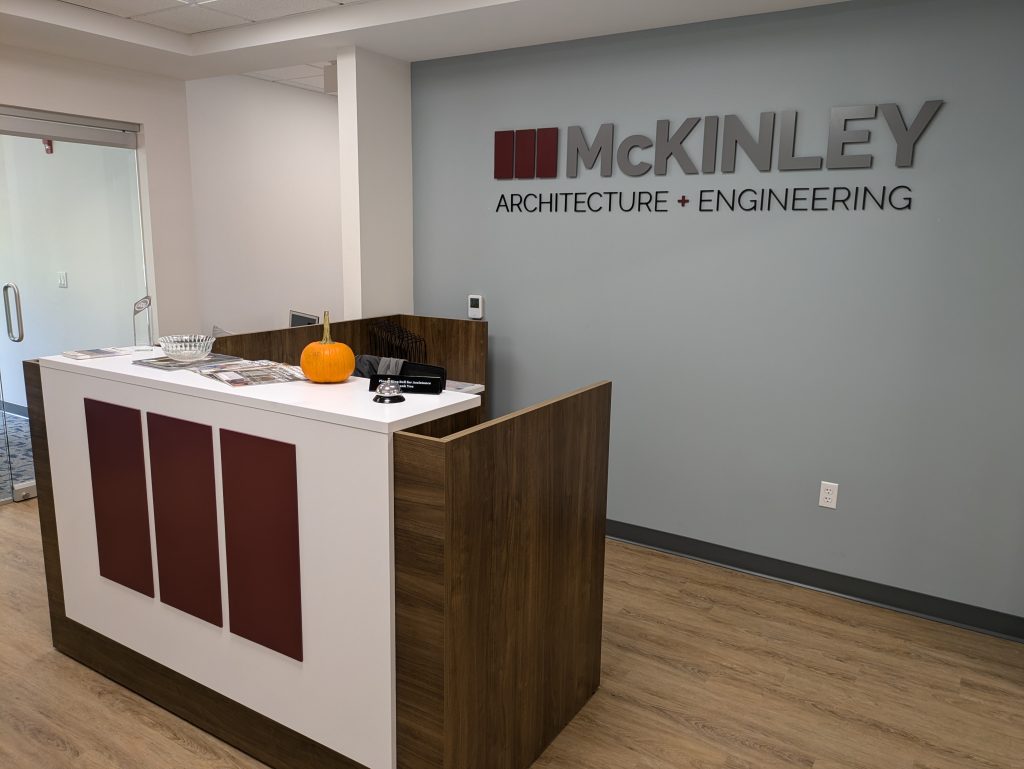
Like many clients, we experienced painful budget overruns reinforcing how important it is to respect a project’s financial constraints at every stage. We’re now even more prudent working with existing conditions and proposing appropriate design elements, finishes, and fixtures.
Client education was always a key part of our design process, but we now have an even better understanding of what that means. In the design process, we are more likely to propose ideas on how to phase the build-out of projects and balance cost-cutting today to avoid more significant costs later.
It’s equally important, when thinking through the design, that we help the client to understand what their cost of ownership and maintenance, repairs, and utilities may be for years to come. For example, if they haven’t previously had an elevator or air conditioning system, share what it may cost to maintain.
In the construction phase, we learned how important it is to maintain great relationships with the contractor. It’s the best way to fully appreciate and manage the timeline and budget. They can help us anticipate challenges and propose solutions.
We used to dedicate most of our fee to the design process and little to overseeing construction. But, after experiencing construction as a client, we better understand the value of engagement to control quality, timeline, and budget.
The client experience was worthwhile, helping us experience the process from their side of the table. We learned more about the psychology of a client and their stress points, so we build them into our processes and approach to their projects. There are several questions we now ask ourselves:
- Is the owner truly satisfied with their investment? Did we help them achieve their goals with the project?
- Was the project completed within their budget? Was it designed and constructed on time to meet their needs?
- How predictable were the expenses? How many change orders and what was the net additional expense?
- Have we helped the client minimize their maintenance obligations and ongoing operating costs?
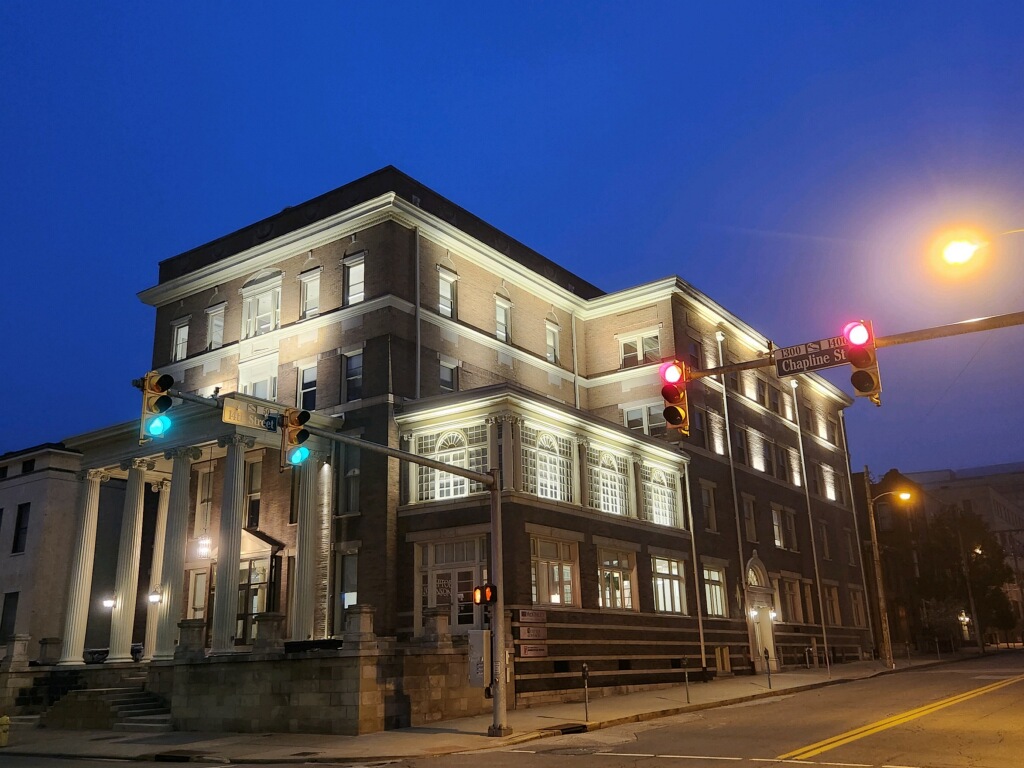
As you might expect, communication throughout a project is key. In the design phase, unearthing competing interests among the constituencies at a client can create tension but ultimately leads to a better project and more satisfied client.
Throughout the project, from the design process through construction, a project manager can keep everyone informed about developments and emerging concerns so they can be discussed and addressed quickly.
As we think about the overall impact on our business, being our own client has been a wonderful experience. We were able to design exactly what we wanted, learn more of the experiences our clients have, and better prepared to serve clients in the future.